- Poker Guide
- Learn to Play Poker: Getting Started
- Poker Game Variations
- Texas Hold ‘em Guide
- Learn to Play Texas Hold ‘em
- Hold ‘em Gameplay
- Texas Hold ‘em Strategy
- Beginner Hold ‘em Strategy
- Intermediate Hold ‘em Strategy
- Blackjack Guide
- Learn to Play Blackjack
- Blackjack Dealing
- Blackjack Strategy
- Blackjack Resources
- Roulette Guide
- Learn to Play Roulette
- Roulette Strategy
- Roulette Types and Variations
- Roulette Resources
- Slots Guide
- Learn to Play Slots
- Slots Games and Variations
- Slots Tips
- Blackjack Double Down Rdr2 Location
- Blackjack When To Double Down Trailer
- Blackjack Double Down On 20
- Blackjack When To Double Down Lyrics
Doubling down is an exciting move to make in blackjack – and profitable if you get it right. You can double your bet in the middle of a hand, after which you only receive one more card.
The blackjack strategy of doubling down has gained such notoriety over the years that it has become synonymous with more than just gambling in a casino or online – it is now used as an apt descriptor for any situation where someone takes risks that involve pushing the envelope.
Technically speaking, doubling down in blackjack is a situation where, after you are dealt your two original cards, you decide to double your initial bet in return for a single card – with your option to hit or stay eliminated – in the hope that you will either hit a hand that beats the dealer’s or the dealer will bust when their turn comes. It can be a risky strategy, but it’s a chance you’ll have to take if you want to win at blackjack.
When to Double Down – Rules to Live By
The first rule of doubling down is much the same as the first rule of blackjack – assume any card you can’t see has a value of 10. Counting the four 10s and 12 face cards, there are more cards in the deck that are worth that amount than any other value. Since blackjack is about playing the odds, it’s a rule of thumb you’ll want to follow in any situation, but especially when it comes to doubling down.
Because of that rule, you will only want to double down on a hand where the combined value of your cards is 11 or fewer. That way, no matter what card you’re dealt on your double down, you’ll never have the chance to go over 21, or “bust” as it is more commonly known. You never want to put yourself in a position where you press your bet with the chance of busting.
In some venues, whether at a casino or online, you will only be allowed to double down if you’ve been dealt two cards that combine to equal nine, 10 or 11. In those cases, the decision to double down is made a bit easier. You will only have to look at the dealer’s up card and determine whether they are weak, i.e., showing a number between two and seven. If they have that type of hand, you’ll almost always want to double down.
And, though this rule is a simple one, always remember that once you opt to double down you will only receive one card. Many amateurs make the mistake of thinking that by doubling their bet they will be able to continue pursuing their hand as they normally would. The whole gamble behind a double down is that you’re relying on one more card to make your hand.
Finally, remember that doubling down is one of your best chances to rake in the big money, so you should be looking to do it at every possible opportunity. Winning at blackjack, or really any type of gamble for that matter, is about being aggressive, searching for opportunities where you feel you have an advantage and pressing your bets.
Decide whether to double down based on your hand and the dealer’s face-up card.
In blackjack, doubling down provides you with that opportunity as well as any bet you’ll encounter.When to Double Down – Strategy
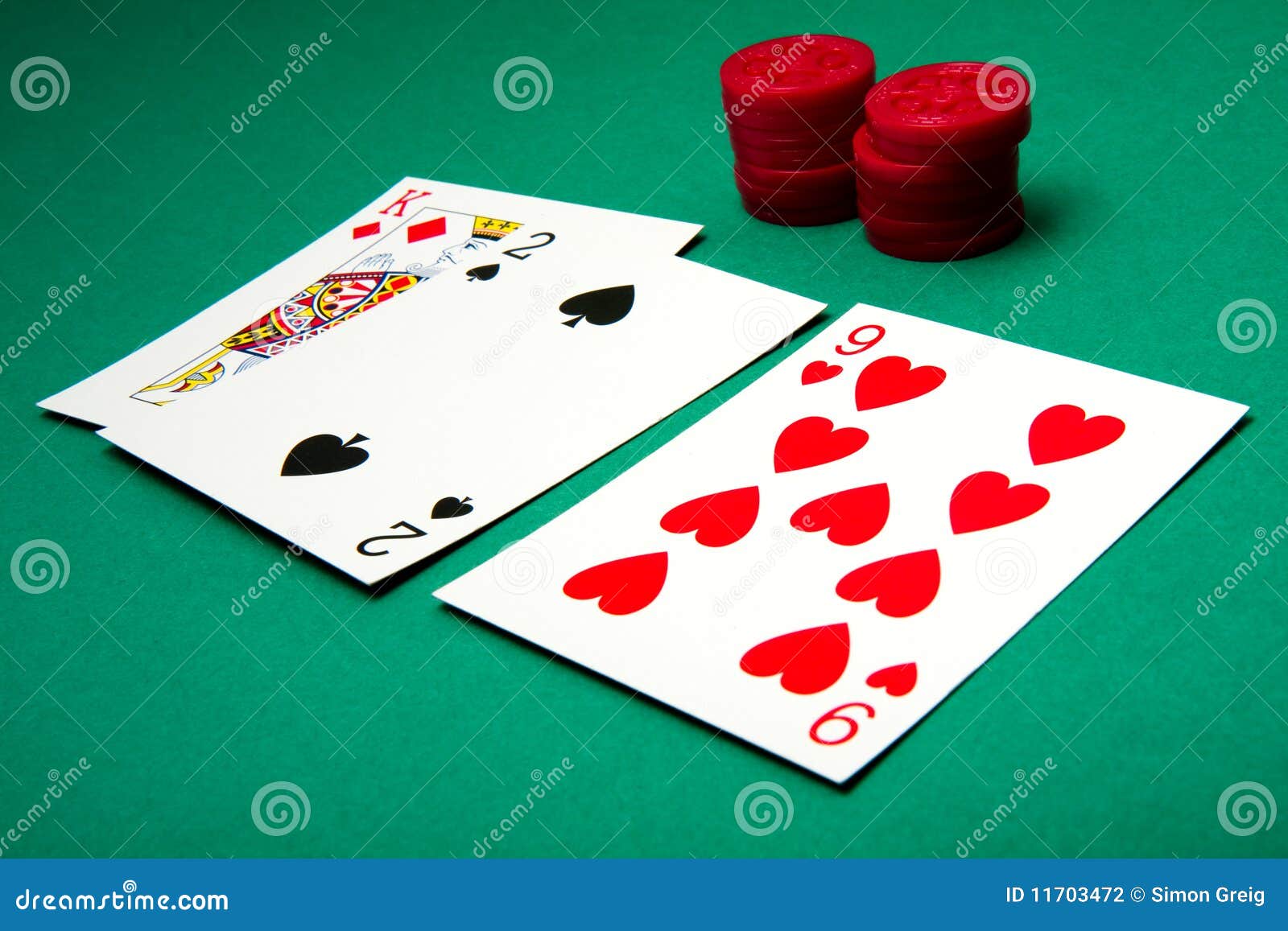
In more common scenarios where the casino or website do allow double downs on cards of any value, the strategy behind doubling down becomes much more complicated, but also affords you the opportunity to really press your bet when the table is running hot, or the odds or your instincts tell you to do so.
You’re still going to want to look to double down any time you are dealt two cards equaling nine, 10 or 11. In fact, you’ll want to double down every time you are dealt one of those three combinations as long as the dealer’s up card isn’t a 10 or a face card. In the case when the dealer’s up card is worth 10, you should still double down on all 11s, but use your best judgement when you have a total of 10 and avoid it altogether if your hand equals nine.
Doubling down gets really tricky when you have two cards that combine to make a low total or you have an ace and a number card. In both of those cases you are in a position to take a hit without busting and, if the dealer’s up card is anything between two and six, meaning they are in a very good position to bust, you will want to consider doubling down and hoping they go over 21.
Blackjack Double Down Rdr2 Location
However, making that determination can be tricky. If you play by the book, you will want to double down in those situations almost every time, with the idea being that over the course of dozens, hundreds or even thousands of those circumstances you will end up winning. So, playing strictly by the book, you should double down any time the dealer is weak and you can take a hit without busting. But there is more to it than that.
As with many decisions at a blackjack table, you’re going to want to base your choice on both odds and instinct. For instance, if a dealer has been running hot – meaning they haven’t been busting much and have been making good hands even when starting with a bad combination – you might want to avoid doubling down in all but the most advantageous situations.
Make the choice to double down based on both odds and instinct.
Conversely, if the dealer has been running through a string of busts, or you seem to be making winning hands no matter what you’re dealt, you should be looking for any situation where you can double down. Taking advantage of good runs, and holding your bets on bad ones, is as important to winning at blackjack as knowing the rules and the odds.
Doubling Down as a Key to Winning
If you just play blackjack straight and never split (which you can find a guide to elsewhere on this site) or double down, your chances of going home a winner become almost nil. It will require a huge amount of luck, and in the long run it will work against you.
Unfortunately, many players, especially amateurs, are afraid to press their bet and will eschew the double down even when it is obviously the best option. In the end, if you want to win, you’re going to have to swallow your fear and make the plunge. If anything, you should look at opportunities to double down as your friend.
Blackjack is all about the thrill and the action. The reason you play should be to have fun and, one hopes, make some money – situations that usually go hand in hand. Doubling down will help you accomplish both. Throw caution to the wind, double that bet whenever you have the opportunity and the winds of luck are blowing in your favor, and when the dealer offers to peel that one card off the deck and slide it to you face down, leave it unseen. That way you can watch the action unfold and discover your fate when the time comes to collect your money or deliver your souped up bet into the house’s coffers.
One of the best and most exciting options available in blackjack is when we have the opportunity to double down on a bet. As a ‘twice the risk, twice the reward’ option, it has the potential to net us a sizeable return, if we know how and when to properly employ such a tactic. As explained on our terminology page, to double is to place another wager on your hand, equal to the amount of your initial bet, in exchange for only one additional card, and the obligation to stand after that one card is dealt.
For example, if you have been dealt a Six and a Four (a total value of 10), you may choose to double your original wager of $100, as drawing a card valued from seven to 11 is a strong possibility and will stand you in good stead to win the hand. If you do win the hand, instead of receiving a $100 profit if you did not double, you will net a return of $200.
Double Down in Play
Doubling is an essential tactic, and if used correctly, helps to lower the casino’s house edge. A knowledgeable player should know when to employ this move for an advantage in the long run, but the decision needs to be carefully considered before commitment, based on a the following important factors:
- The total points value of your current hand
- The dealer’s up-card
- The house rules and edge
- The version of blackjack being played
If you are playing a game with eight decks and you can double on any total, the house edge is 0.55%. If you can double after splitting, this reduces the house edge by 0.13%, but if you can double only on totals of 10 and 11, this increases the house edge by 0.21%. And obviously we want the lowest house edge possible.
Mastering basic blackjack strategies is key to winning. Here are some guidelines worthwhile remembering in order to maximise our chances and avoid unfavourable odds when opting to double:
Take Advantage of 9, 10 & 11 Totals
The best hands to double down on are considered to be those with a value of nine, 10 or 11. We already have the ideal hand to hit on and end with a strong total with just one additional card. If you find yourself dealt a hand with these totals, consider doubling down to maximise your winning payout. There will always be a risk present in every decision you make, but the key to winning more games than losing is to take advantage of an edge while you have it. If you are hesitant to double down because of the size of the bet and your potential loss, you might be playing at a table with too high stakes.
Don’t Split Fives, Go For The High Five: A common tactic for players who find themselves with low pocket pair hands such as Deuces or Treys is to split them and improve their chances of winning with two separate hands, which is fine. But if you find yourself with a pair of Fives, refrain from splitting and consider doubling. A total of 10 points is a strong position to be in (as explained above), so with a pair of Fives and roughly a 24% chance of drawing a card valued at 10 points on the next hit (to give you a total of 20), doubling is in your best interests. You also have a solid chance of drawing an Eight, Nine or Ace, resulting in favourably high hands of 18, 19, or 21.
The Rule of 9
The ‘Rule of 9’ is an established guideline regarding when and when not to double if you are dealt a soft hand (a hand with an Ace). Knowing when to double with a soft hand is crucial, so it is worthwhile understanding the rule’s instructions which explain how to maximise our chances of winning. As always, these are recommendations and you don’t have to double just because these rules say so.
The ‘Rule of 9’ works as follows: if you hold a soft hand, add the value of the dealer’s up-card with the value of your non-Ace card. If the total value is greater than nine, it is suggested to double down. If the total value is less than nine, proceed to hit instead.
For example, if the dealer’s up-card is a Four and your hand contains an Ace and a Seven, you should double because the total sum would be 11. In contrast, if the dealer’s up-card is a Five and you hold is an Ace and a 3, you should hit, as the sum, according to the rule, is eight. There are a few exceptions to this rule: never double down if the dealer’s up-card is above Seven, as they are in a strong position to beat you. If the dealer is showing a Deuce, don’t double either as the odds favour the dealer. Also, when the dealer’s up-card is a Five or Six, you should double down with a hand of an Ace and a Deuce through to a Six, as you are in the stronger position.
Be Mindful of the Dealer’s Up-Card
Blackjack When To Double Down Trailer
It may seem like common sense, but plenty of players often forget to keep the dealer’s up-card in mind before opting to double down. All of the above tactics should be dependent on the dealer’s up-card, and while it’s good to be aggressive, it can be unwise to double with a soft hand if your dealer has a Nine or Ten showing. The worst cards for the dealer are up-cards of a Deuce through to a Six because those cards give the dealer the highest chance of busting, and this is when we should pounce and double down. Dealer up-cards of Five and Six give their hand the highest chance of busting at roughly 42%.
Here are the most commonly recommended hands to double down on, taking in to consideration the dealer’s up-card:
[table id=1 /]
If you are dealt an Ace with a Deuce through to a Seven, this leaves us in a relatively strong position to double (depending on the dealer’s up-card, as specified in the table). If your soft hand is an Ace and an Eight or Nine, then doubling is not favourable; standing is your best bet.
Being dealt an Ace and a Six or Seven is the ideal hand to double down on. Many people may opt to stand with a soft total of 17 or 18 which is fine, but doubling is often advised. As the table suggests, your decision needs to be dependent on the dealer’s up-card. If you do opt to double with a soft 17/18, you have a strong chance of receiving a card valued at 10 (giving you a hard total of 17 or 18) which leaves you in the position you began in, just with the chance to win double the cash. If you are dealt an Ace, Deuce or Trey, you now hold an even stronger total of either 18, 19, 20, or 19, 20 or 21. If you are dealt a Four on the soft-17 hand, that will also leave you with an unbeatable 21. The point is to take advantage of strong starting soft hands, because of the unique value the Ace holds.
Know Which Variant You’re Playing
American blackjack (unlike American Roulette) has more favourable odds for the player, so where possible, play American versions of the game.
Blackjack Double Down On 20
American rules are as follows:
– You are not restricted when doubling down; you can have a hand with any value and choose to double.
– You can also surrender at any time, and the dealer must stand on a soft-17.
Blackjack When To Double Down Lyrics
European blackjack has the following rules:
– When offered the chance to double, you may only do so if your hand totals nine, 10 or 11.
– The dealer must hit on soft-17, and you cannot surrender.